CALL US
604-704-2336
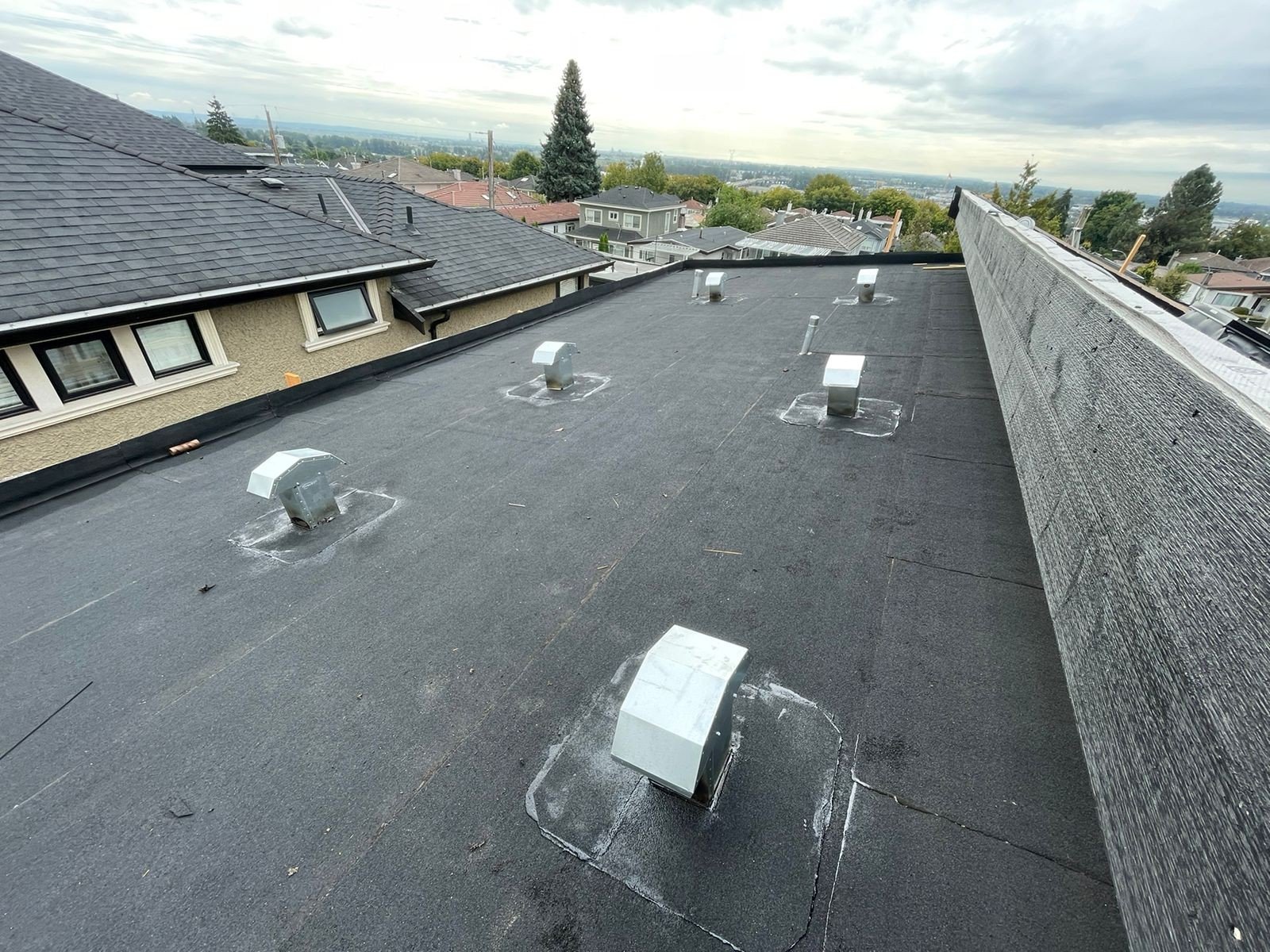
A roof rarely fails all at once. Most roofing problems begin quietly. A small crack, a loose shingle, or trapped moisture may not seem urgent, but over time these minor issues can lead to leaks, mould growth, insulation damage, or even structural repairs. Homeowners often wait until visible damage appears, but by then the cost and complexity of repairs increase significantly.
Seasonal roof maintenance helps prevent these problems before they escalate. Whether you own a home or manage a commercial property, staying ahead of weather-related wear protects your building and extends the life of your roof. With professional roofing services Metro Vancouver homeowners and businesses can rely on, regular inspections and timely repairs make a real difference.
At Humble roofing, we approach roof care as a year-round responsibility. Each season presents different risks, and understanding those risks allows you to take action at the right time.
Why Seasonal Roof Maintenance Is Important
Your roof is constantly exposed to sun, rain, wind, debris, and temperature changes. Over time, these elements weaken roofing materials and seals. Seasonal maintenance ensures small problems are addressed early, helping you avoid emergency repairs and unexpected downtime.
For both Residential Roofing and Commercial Roofing, routine care improves energy efficiency, maintains structural integrity, and supports long-term performance. It also helps property owners plan repairs instead of reacting to sudden failures.
Spring Roof Maintenance (March to May)
Spring is the ideal time to assess how your roof handled winter conditions. Even in milder climates, wind and moisture can leave behind hidden damage.
Clear Gutters and Roof Debris
During winter, leaves, dirt, and branches collect on roofs and in gutters. If not removed, this debris blocks drainage and causes water to pool along roof edges and foundations. Clearing gutters allows water to flow freely and reduces the risk of leaks.
Check for Damaged Shingles or Tiles
Wind and temperature changes can loosen or crack roofing materials. Walk around your property and look for missing, curling, or shifted shingles or tiles. These areas are vulnerable to spring rain and should be repaired promptly.
Inspect Flashing and Sealants
Flashing around vents, chimneys, and skylights is a common source of leaks. Look for rust, lifting edges, or dried sealant. Early repairs in spring prevent water intrusion during heavier rainfall.
Review Attic Ventilation
Proper ventilation prevents heat and moisture buildup. A well-ventilated attic supports roof longevity and improves indoor comfort, especially as temperatures rise.
Summer Roof Maintenance (June to August)
Summer heat places extreme stress on roofing systems. Prolonged UV exposure and high temperatures can accelerate material breakdown.
Watch for Heat Damage
Shingles may blister, crack, or lose granules under intense heat. Flat roofing systems may show signs of surface stress. These issues can lead to leaks if left unaddressed.
Inspect for Soft Spots or Blistering
Flat and low-slope roofs, common in Commercial Roofing, are prone to moisture-related soft spots. These indicate underlying issues that should be inspected by a professional.
Check for Mould or Mildew
Heat and moisture create ideal conditions for mould growth. Dark patches or musty smells around roofing materials or attic spaces should be taken seriously.
Keep Roof Drains Clear
Sudden summer storms can overwhelm blocked drains. Regular cleaning prevents standing water and reduces the risk of structural damage.
Late Summer and Early Fall Storm Preparation
Storm season brings strong winds and heavy rainfall. Preparing your roof ahead of time helps avoid emergency situations.
Secure Loose Roofing Materials
Even slightly loose shingles, tiles, or flashing can be torn off during high winds. Securing these materials early reduces storm damage.
Inspect Gutters and Downspouts
Ensure gutters are clear and firmly attached. For properties surrounded by trees, gutter guards can help reduce debris buildup.
Trim Overhanging Branches
Branches can break during storms and damage roofing materials. Trimming them back protects both Residential Roofing and Commercial Roofing systems.
Plan for Emergency Repairs
Having a trusted roofing provider and basic materials ready allows you to respond quickly after a storm, minimizing damage and repair costs.
Fall Roof Maintenance (September to November)
Fall offers stable weather, making it an ideal time for inspections and preventative maintenance.
Remove Leaves and Debris
Falling leaves trap moisture and block drainage. Regular cleaning helps prevent long-term water damage.
Check for Moisture Issues
Inspect ceilings, walls, and attic spaces for stains or odours. These may indicate slow leaks that developed during summer storms.
Schedule a Professional Inspection
Professional inspections help identify issues that are easy to miss. Fall inspections ensure your roof is prepared for colder and wetter months.
Prepare for Cooler Temperatures
Check insulation and flashing seals. Proper preparation improves energy efficiency and reduces winter-related stress on roofing materials.
Winter Roof Maintenance (December to February)
Winter brings temperature fluctuations that can affect roofing systems, even in moderate climates.
Monitor for Freeze and Thaw Damage
Expansion and contraction can crack tiles, sealants, and flashing. Periodic inspections help catch problems early.
Watch for Water Intrusion
Winter rain can expose weaknesses around vents and roof penetrations. Inspect attic areas after storms.
Check Insulation and Ventilation
Proper insulation prevents condensation that can damage roofing materials and framing.
Roofing Services That Go Beyond Maintenance
Seasonal maintenance also helps you plan future upgrades. For example, if inspections reveal aging materials, it may be time to consider upgrades such as Install Metal Roofing for improved durability and energy efficiency. Metal roofing is a popular option for both residential and commercial properties due to its long lifespan and low maintenance needs.
Working with experienced professionals ensures repairs and installations meet local standards and climate demands.
Final Thoughts
Your roof is a long-term investment that deserves year-round attention. Seasonal maintenance reduces unexpected repairs, protects your property, and extends roof lifespan.
Whether you manage Residential Roofing or Commercial Roofing, consistent care keeps small issues from becoming major problems. With professional roofing services Metro Vancouver property owners can trust, proactive maintenance brings peace of mind and long-term value.
FAQs
How often should roof maintenance be done?
Roof maintenance should be done at least twice a year, ideally in spring and fall. In addition, your roof should be inspected after major storms or extreme weather. Regular seasonal checks help identify small issues early and prevent costly repairs later.
What are the most common signs that my roof needs attention?
Some common warning signs include missing or cracked shingles, loose tiles, water stains on ceilings, musty smells in the attic, clogged gutters, and visible sagging or soft spots on the roof surface. If you notice any of these, it is best to schedule a professional inspection.
Is roof maintenance different for residential and commercial properties?
Yes, Residential Roofing and Commercial Roofing systems have different maintenance needs. Residential roofs often require shingle or tile inspections, while commercial roofs typically need more frequent checks for drainage, membrane condition, and pooling water. Both benefit from regular professional inspections.
Can seasonal maintenance really extend the life of a roof?
Yes. Consistent seasonal maintenance can significantly extend the lifespan of a roof. By fixing minor damage early, maintaining proper drainage, and ensuring good ventilation, roofing materials last longer and perform better over time.
When should I consider upgrading my roof instead of repairing it?
If your roof is nearing the end of its expected lifespan, has frequent leaks, or shows widespread damage, repairs may no longer be cost-effective. In such cases, options like Install Metal Roofing may offer better durability, energy efficiency, and long-term value.
Should I inspect my roof myself or hire a professional?
Basic visual checks are helpful, but professional inspections are strongly recommended. Trained roofing experts can identify hidden issues, ensure safety, and provide accurate assessments that homeowners may miss.