CALL US
604-704-2336
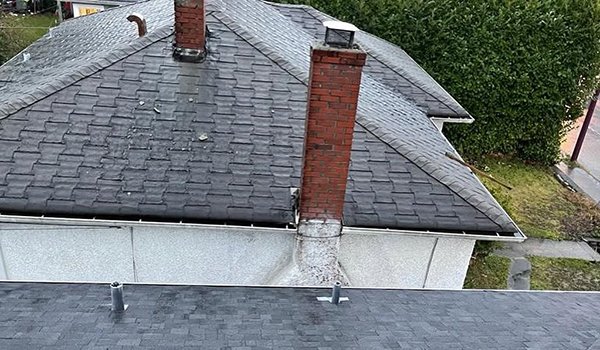
When your roof starts showing signs of wear, the first question that comes to mind is simple. Should you repair it or replace it completely? The answer depends on several factors like the age of the roof, the extent of damage, and long-term cost considerations. Understanding the difference between roof repair and roof installation helps you make a practical and cost-effective decision.
This guide breaks it down in a clear and relatable way so you can decide what makes sense for your home.
What is Roof Repair?
Roof repair focuses on fixing specific issues without replacing the entire structure. It works best when the damage is limited and the overall roof is still in good condition.
A leaking roof is one of the most common reasons homeowners consider repairs. Water stains, damp ceilings, or mold growth usually indicate that something needs attention.
Common roof repair situations
- Fixing leaks caused by damaged flashing or cracked shingles
Flashing seals the joints around chimneys, vents, and edges. When it gets damaged or shingles crack, water can seep in. Repairing these areas helps stop leaks and protects the interior of your home. - Replacing a few missing or broken shingles
Missing or broken shingles leave parts of the roof exposed to weather. Replacing them restores protection and prevents further damage like water intrusion or structural wear. - Repairing minor storm damage
Strong winds, rain, or debris can cause small areas of damage. Fixing these issues early helps prevent them from spreading and avoids more expensive repairs later. - Sealing small cracks or gaps
Tiny cracks or gaps may not seem serious but can allow moisture to enter over time. Sealing them helps maintain the roof’s integrity and prevents leaks from developing. - Fixing drainage issues around gutters
Poor drainage can cause water to collect on the roof or near its edges. Repairing gutters or improving water flow prevents pooling, which can weaken the roof and lead to leaks.
In areas like Metro Vancouver, where rainfall is frequent, timely leaking roof repair services can prevent small problems from turning into costly structural damage.
When roof repair makes sense
- The roof is relatively new
If your roof is still in its early years, it likely has plenty of life left. In this case, repairing small issues makes more sense than replacing the entire roof. - Damage is limited to a small area
When the problem is confined to one section, such as a few shingles or a minor leak, targeted repairs can fix it effectively without major work. - Budget is a concern in the short term
Roof repair requires less upfront cost compared to full installation, making it a practical option if you need a quick and affordable solution. - There are no underlying structural issues
If the roof’s base and support structure are still strong, repairs can address surface-level problems without needing a complete replacement.
Roof repair is usually quicker and more affordable. However, it is not always a permanent solution if the roof is nearing the end of its lifespan.
What is Roof Installation?
Roof installation involves replacing the entire roofing system or installing a roof on a new structure. This is a more comprehensive solution designed to improve durability, performance, and long-term value.
If your roof has widespread damage or has been repaired multiple times, installation might be the better investment.
What roof installation includes
- Removing the old roofing materials
The first step is taking off existing shingles, tiles, or metal sheets. This allows contractors to check the condition underneath and start fresh with a clean base. - Inspecting and repairing the underlying structure
Once the old materials are removed, the roof deck and support structure are inspected for damage. Any weak or rotting sections are repaired to ensure a strong foundation. - Installing new underlayment and insulation
A protective layer called underlayment is added to prevent moisture from entering. Proper insulation is also installed to improve energy efficiency and indoor comfort. - Adding new roofing materials such as shingles, tiles, or metal
The final outer layer is installed based on your chosen material. This layer provides protection from weather and defines the overall look of your home. - Ensuring proper ventilation and drainage
Good airflow and water drainage are essential for roof longevity. Proper ventilation prevents heat and moisture buildup, while drainage systems direct water away from the roof. - Roof Installation Metro Vancouver projects consider local weather
In regions with frequent rain, installation is planned to handle moisture effectively. Materials and techniques are selected to withstand heavy rainfall and seasonal changes.
Roof Installation Metro Vancouver projects often take local weather conditions into account, ensuring the new roof can handle heavy rain and seasonal changes.
When roof installation is the right choice
- The roof is more than 15 to 25 years old
Most roofing materials have a limited lifespan. Once a roof reaches this age range, it becomes less reliable and more prone to issues. - Repairs are becoming frequent and expensive
If you find yourself fixing the roof often, costs can add up quickly. At that point, a full installation is usually more cost-effective. - There is structural damage beneath the surface
Damage to the roof deck or support system cannot be fixed with surface repairs. Installation allows these deeper issues to be properly addressed. - You want to improve energy efficiency or property value
A new roof can enhance insulation and reduce energy bills. It also increases the overall value and appeal of your property.
Installation costs more upfront but reduces ongoing repair expenses and improves long-term reliability.
Key Differences Between Roof Repair and Roof Installation
Understanding how these two options compare helps you choose wisely.
Scope of work
- Roof repair addresses specific issues
- Roof installation replaces the entire roofing system
Cost
- Repairs are lower cost in the short term
- Installation requires a higher initial investment but offers long-term savings
Time required
- Repairs can often be completed in a few hours or days
- Installation may take several days depending on size and complexity
Lifespan impact
- Repairs extend the life of your current roof
- Installation gives you a completely new lifespan
Performance
- Repairs fix immediate problems
- Installation improves overall performance, durability, and efficiency
Choosing the Right Roofing Material
When it comes to installation, selecting the right material plays a big role in performance and maintenance.
Install Shingles Roofing
Shingle roofing remains one of the most popular choices for residential properties.
- Affordable and widely available
Shingle roofing is budget-friendly, which makes it a popular choice for many homeowners. Since it is widely available, materials can be sourced quickly, helping avoid project delays. This also keeps overall installation costs manageable compared to premium options. - Easy to install and repair
Shingles are lightweight and simple to handle, allowing faster installation. If damage occurs, individual shingles can be replaced without affecting the rest of the roof. This makes maintenance easier and more cost-effective over time. - Suitable for different home styles
Shingles come in various colors, designs, and textures, making them adaptable to different architectural styles. Whether the home is modern or traditional, shingles can match the overall look easily. This flexibility adds to their widespread use.
Install Shingles Roofing works well for homeowners looking for a balance between cost and durability.
Install Tiles Roofing
Tile roofing offers a more premium look and long lifespan.
- Highly durable and weather resistant
Tile roofs are designed to last for decades and can withstand harsh weather conditions. They resist damage from heavy rain, heat, and even strong winds. This makes them a reliable long-term roofing option. - Adds aesthetic value to the property
Tiles roofing gives a premium and elegant appearance to any home. Its distinct look enhances curb appeal and can increase property value. Many homeowners choose tiles for both durability and visual impact. - Requires a strong structural base due to weight
Tiles are heavier than most roofing materials, so the underlying structure must be strong enough to support them. In some cases, additional reinforcement may be needed. Proper structural support ensures safety and long-term performance.
Installing Tiles roofing is often chosen for its classic appearance and long-term performance.
Metal Roofing Repair
Metal roofs are known for their strength and longevity, but they still require maintenance over time.
- Resistant to extreme weather conditions
Metal roofs perform well in challenging climates, including heavy rain and temperature changes. They are less likely to crack or warp compared to traditional materials. This makes them a durable option for long-term use. - Long lifespan compared to traditional materials
Metal roofing can last significantly longer than shingles when properly maintained. This reduces the need for frequent replacements and lowers long-term costs. It is a strong investment for durability. - Occasional repairs may be needed for seams or fasteners
Over time, small components like screws, joints, or seams may loosen or wear out. These issues are usually minor and can be fixed without replacing the entire roof. Regular maintenance helps keep the roof performing efficiently.
Metal roofing repair ensures the system continues to perform efficiently without requiring full replacement.
Signs You Need Roof Repair Instead of Installation
Sometimes a full replacement is not necessary. Look for these signs that point toward repair.
- Small, localized leaks
If the leak is coming from one specific area, it can usually be fixed without replacing the entire roof. Addressing it early helps prevent the issue from spreading. - A few missing or damaged shingles
When only a handful of shingles are affected, they can be replaced individually. This restores protection without the need for major work. - Minor wear and tear
Natural aging can cause slight cracks or surface damage over time. These small issues can be repaired easily to maintain the roof’s condition. - No sagging or structural damage
If the roof structure is still strong and stable, repairs are usually enough. This means the problem is only on the surface and not affecting the foundation.
If these issues are addressed early, you can extend the life of your roof without major investment.
Signs You Need Roof Installation Instead of Repair
In some cases, repairing the roof repeatedly is not practical.
- Frequent leaks in multiple areas
When leaks keep appearing in different spots, it usually means the overall roofing system is failing, not just one section. - Visible sagging or structural weakness
A sagging roof can indicate damage to the underlying structure, which cannot be fixed with simple repairs and often needs full replacement. - Mold or water damage inside the home
Ongoing moisture from roof issues can lead to mold growth and interior damage, showing that the problem has gone beyond surface-level repair. - High energy bills due to poor insulation
An aging or damaged roof may lose its ability to insulate properly, causing your heating and cooling costs to increase. - Roof nearing the end of its lifespan
If your roof is close to its expected lifespan, repairs may only provide short-term relief, making installation a more practical long-term solution.
At this stage, installation becomes a more reliable and cost-effective solution.
Cost Comparison: Repair vs Installation
While exact costs vary, the general difference is clear.
Roof repair
- Lower upfront cost
- Ideal for minor fixes
- May lead to repeated expenses over time
Roof installation
- Higher initial investment
- Reduces long-term maintenance costs
- Adds value to the property
Choosing between the two depends on whether you want a short-term fix or a long-term solution.
Long-Term Value and Property Impact
A well-maintained roof does more than protect your home. It also improves resale value and energy efficiency.
Roof installation provides
Better insulation and reduced energy bills
A new roof installation often includes updated insulation and proper ventilation. This helps maintain a stable indoor temperature by keeping heat out during summer and retaining warmth in winter. As a result, your heating and cooling systems don’t have to work as hard, which can lead to noticeable savings on energy bills over time.
Improved curb appeal
A newly installed roof gives your home a clean, updated look. Whether you choose shingles, tiles, or metal, the fresh finish enhances the overall appearance of your property. This is especially important if your current roof looks worn, faded, or uneven, as a new roof instantly makes the home look well-maintained.
Higher property value
A new roof is a strong selling point for potential buyers. It signals that the home is well cared for and reduces concerns about future repair costs. Many buyers are willing to pay more for a property with a recently installed roof because it offers peace of mind and long-term durability.
Roof repair provides
Immediate problem resolution
Roof repair focuses on fixing specific issues like leaks, cracks, or missing shingles. This quickly stops further damage, especially from water intrusion. It’s a practical solution when you need to address a problem right away without committing to a full replacement.
Temporary extension of roof life
Repairs can help your existing roof last longer by fixing weak spots and preventing damage from spreading. However, this extension is usually temporary. If the roof is older or has multiple issues, repairs may only delay the need for a full roof installation rather than eliminate it.
Homeowners planning to stay long-term often benefit more from installation, while those looking for a quick fix may choose repair.
How to Decide What’s Right for You
There is no one-size-fits-all answer. The decision depends on a combination of factors.
- Age of your roof
Older roofs are more likely to need full replacement, while newer ones can often be repaired. - Extent of damage
Small, localized issues can be fixed, but widespread or structural damage usually requires installation. - Budget and long-term plans
Repairs cost less upfront, but installation is more cost-effective if you plan to stay long-term. - Local climate conditions
Harsh weather like heavy rain or snow can wear roofs faster, making durable installation a better choice.
Consulting a professional helps you get a clear assessment. A trusted provider like Humble Roofing can inspect your roof and guide you toward the most practical option based on your situation.
Final Thoughts
Roof repair and roof installation serve different purposes. Repairs handle minor issues and extend the life of your existing roof, while installation provides a complete upgrade with long-term benefits.
If your roof is still structurally sound, repair is often enough. But if problems keep coming back or the roof is aging, installation becomes the smarter investment.
Taking action at the right time helps you avoid costly damage and keeps your home safe and comfortable.
FAQs
How do I know if my roof needs repair or installation?
If the damage is minor and limited to one area, repair is usually enough. If the roof is old or has widespread issues, installation is a better option.
Is roof installation worth the cost?
Yes, especially if your roof is aging or frequently repaired. It reduces long-term expenses and improves durability.
Can I delay roof installation if there is a small leak?
Delaying can lead to bigger problems. Even small leaks should be inspected quickly to avoid structural damage.
What is the best roofing material for long-term performance?
Metal and tile roofs offer excellent durability, while shingles are cost-effective and widely used.
Does metal roofing require frequent repairs?
No, but occasional maintenance like metal roofing repair helps maintain performance over time.
Is tile roofing better than shingles?
Tile roofing lasts longer and offers a premium look, while shingles are more affordable and easier to install.